ABOUT THE GRANT
The role of the immune system on the built up of psychosine in Krabbe disease remains poorly understood. However, our recent pilot studies
have demonstrated that Anakinra, a recombinant antagonist of the cytokine human interleukin-1 receptor, significantly reduced psychosine accumulation
in the central nervous system (CNS) of the twitcher (TWI) mouse model. The rationale for using Anakinra stemmed from earlier observations in our lab,
which revealed a positive correlation between increased IL-1β expression and heightened psychosine production in long-lived TWI mice previously treated
with bone marrow transplantation (BMT) or AAV-gene therapy. Anakinra is an FDA-approved drug, currently used to treat various inflammatory conditions.
In this grant proposal, we aim to: 1) conduct a comprehensive analysis to identify the optimal treatment window for Anakinra, both as a stand alone therapy and in
combination with BMT. Specifically, we will assess the impact of Anakinra on psychosine accumulation, inflammation (including astrogliosis and microgliosis),
and disease severity in TWI mice, and 2) investigate the molecular mechanisms by which Anakinra induces this effect. Thus, our proposal holds a
significant potential, as achieving our goals could pave the way for Anakinra’s clinical application as a co-adjuvant in the treatment of KD.
ABOUT JEFFREY MILLMAN
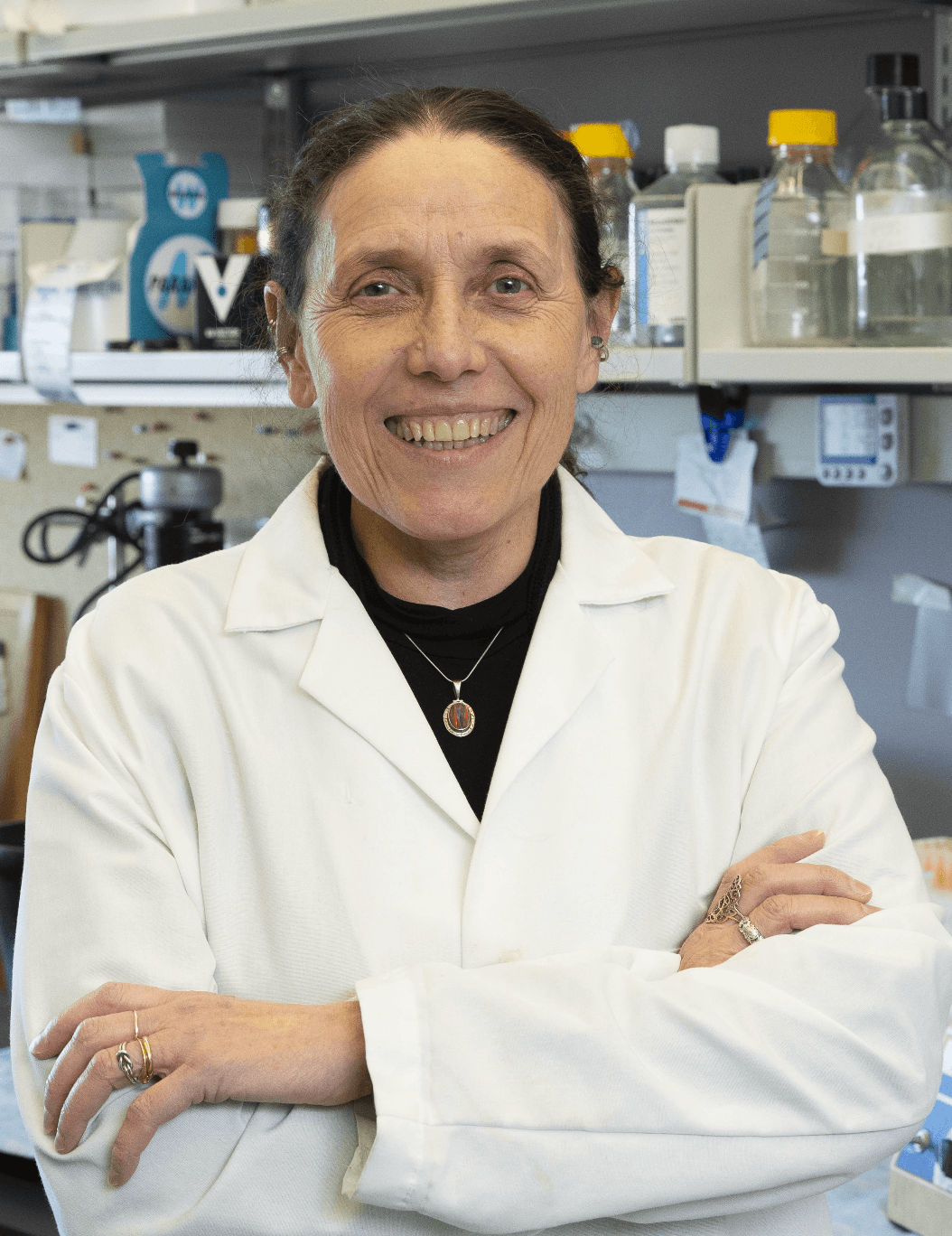
Dr. Maria I. Givogri is an Associate Research Professor at the College of Medicine at University of Illinois at Chicago. Dr. Givogri obtained her PhD in 1994 studying the molecular basis of a rare case of mucopolysaccharidosis type VII. In 1995, she moved to the department of Psychiatry at the Medical School at UCLA to perform a post-doctoral training on oligodendrocytes and myelin biology. In 2002, she became
an Associate Scientist at the San Raffaele Telethon Institute for Gene Therapy in Milano, Italy. As such, she performed studies on gene and cellular therapies for inherited leukodystrophies.
Since 2006, Dr Givogri has an independent lab at the Department of Anatomy and Cell Biology at the College of Medicine at University of Illinois, Chicago. Her main research interest is to determine the molecular and cellular mechanisms of demyelination and neuroinflammation in Krabbe disease and to develop extracellular vesicle-based therapies to replace the deficiency of galactosyl-ceramidase for this disease. She is also studying the role of sulfatides in neuropathology in Metachromatic Leukodystrophy and Multiple Sclerosis.