As 2026 starts, the first quarter of the 21st Century ends, marked by remarkable progress in genetics, genomics, multi-omics, disease understanding, diagnostics, newborn screening, and disease-modifying therapeutics. For certain rare diseases, these advances have proven transformative, providing enhanced scientific and medical understanding and enabling the development of life-changing and potentially life-saving therapies for conditions previously considered incurable.
Nevertheless, despite our expanding knowledge, despite new tools and technologies that allow us to explore biology and medicine at an unprecedented depth and at a previously unimaginable pace, and despite considerable investment of resources and expertise—effective and accessible therapies remain elusive for many rare conditions, including Krabbe disease. In recent years, the Krabbe disease community has encountered significant challenges. Clinical trials for previously promising investigational therapies have been discontinued, funding and investment across basic, translational, and clinical research have declined, and many families now face increased difficulty accessing and navigating essential healthcare services. In short, as with the space race of the late 1950s and early 1960s, we have fallen short despite our notable efforts. Considering our limited resources and our ongoing challenges, we must re-set and re-invest, and we must do so wisely, thoughtfully, and with focused, effective, and impactful partnerships, if we are to succeed in changing the trajectory of this dreadful disease.
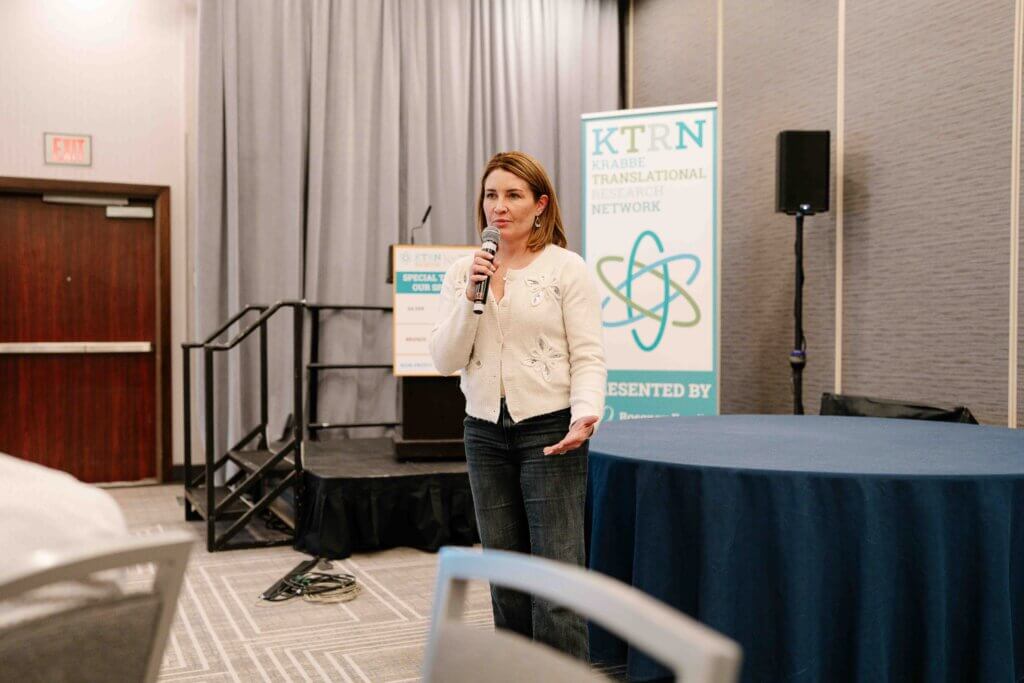
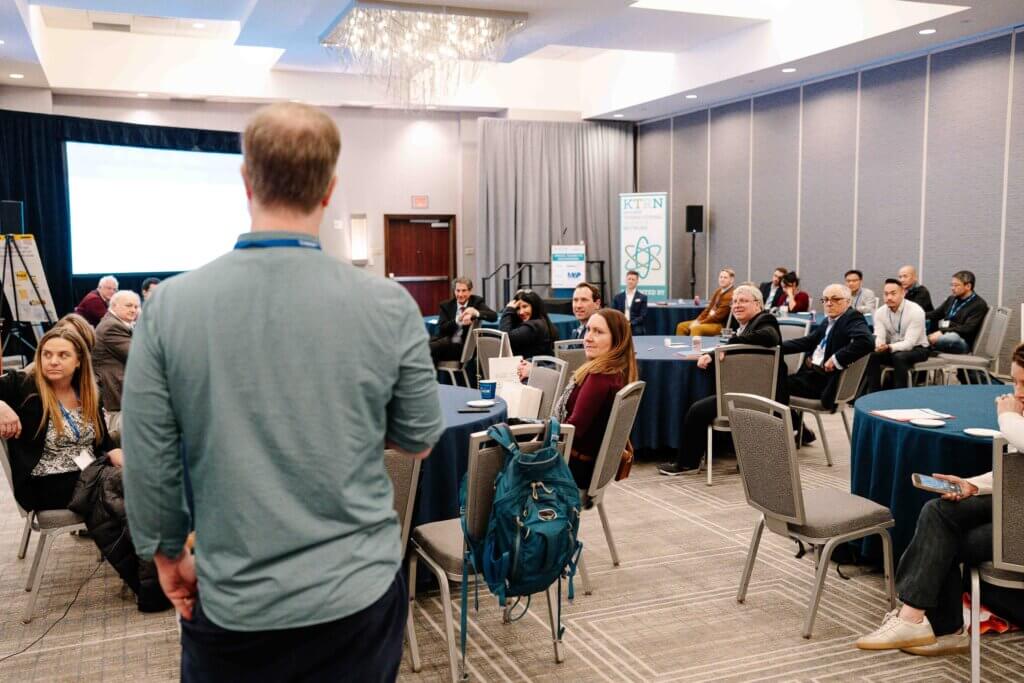
Against that backdrop, we invited key stakeholders—including public health experts and officials, advocacy group leaders, industry executives, academic and industry researchers, and members of the RFRF staff, Board of Directors, and Scientific Advisory Committee—to convene this past March for KTRN 2026. The goal of the meeting was simple. In 2025, expert panels outlined gaps to tackle by 2030. This year’s meeting asked participants to collectively prioritize the most critical gaps to address, with the intended output being a 2030 roadmap for those who fund, support, and conduct Krabbe disease research.
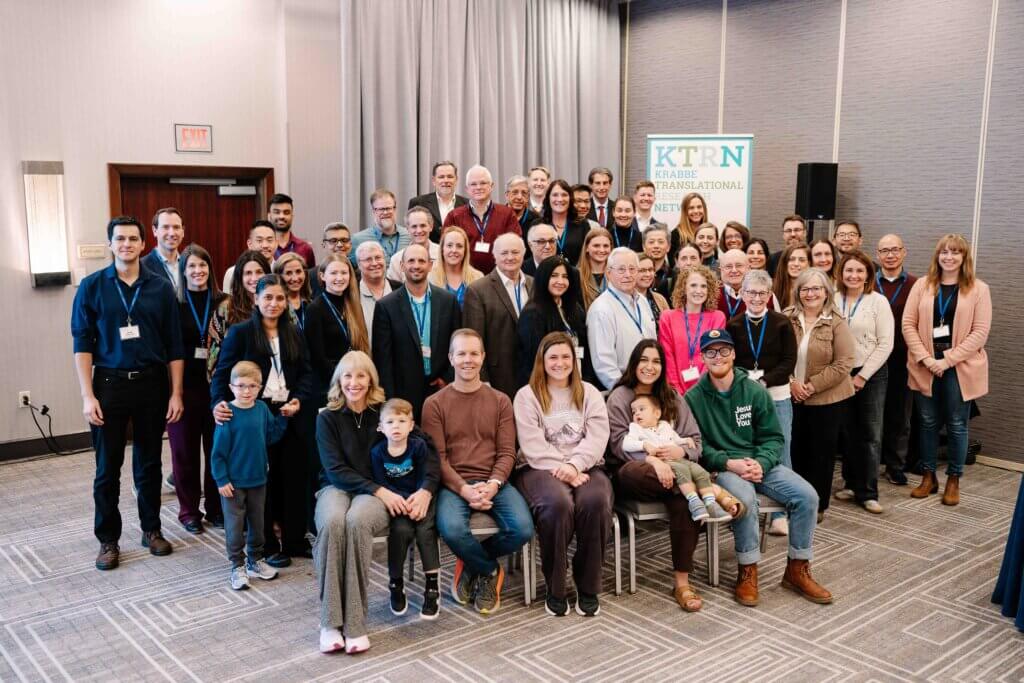
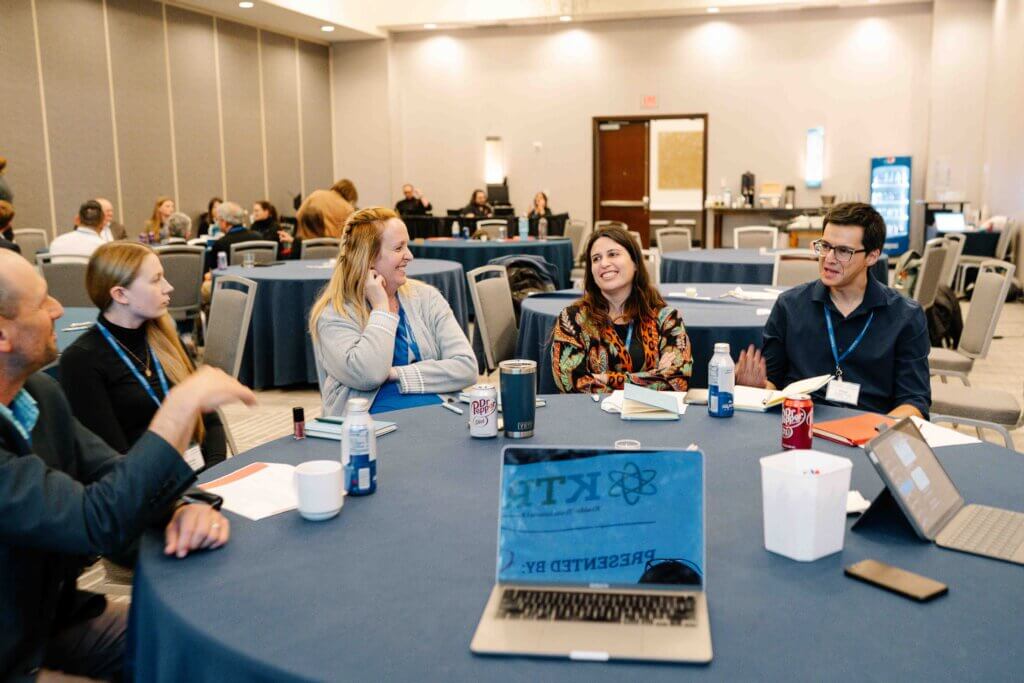
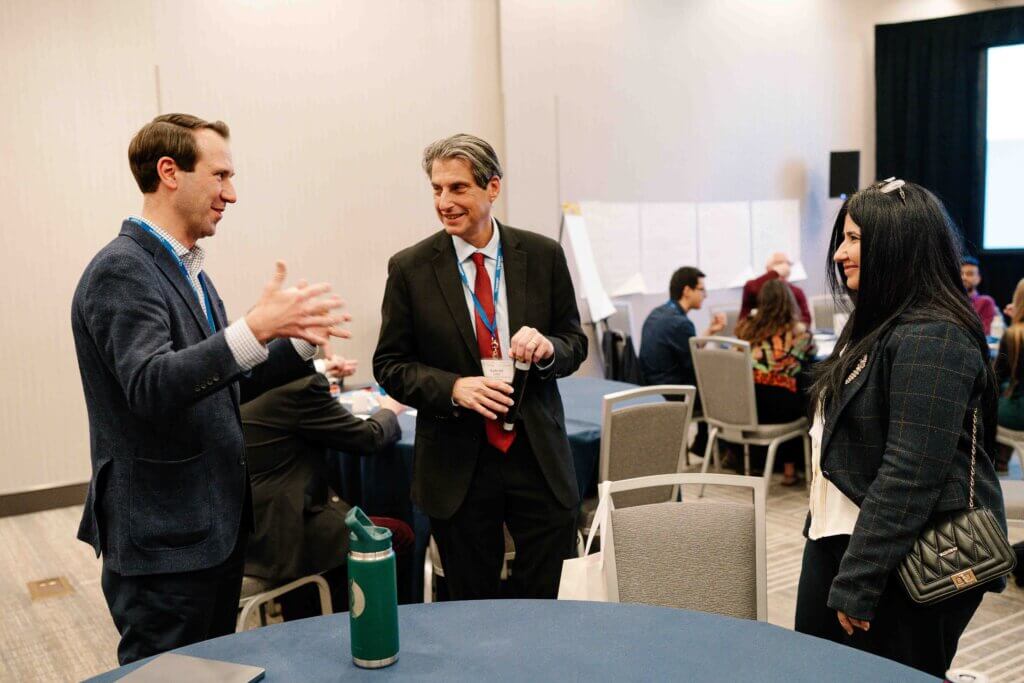
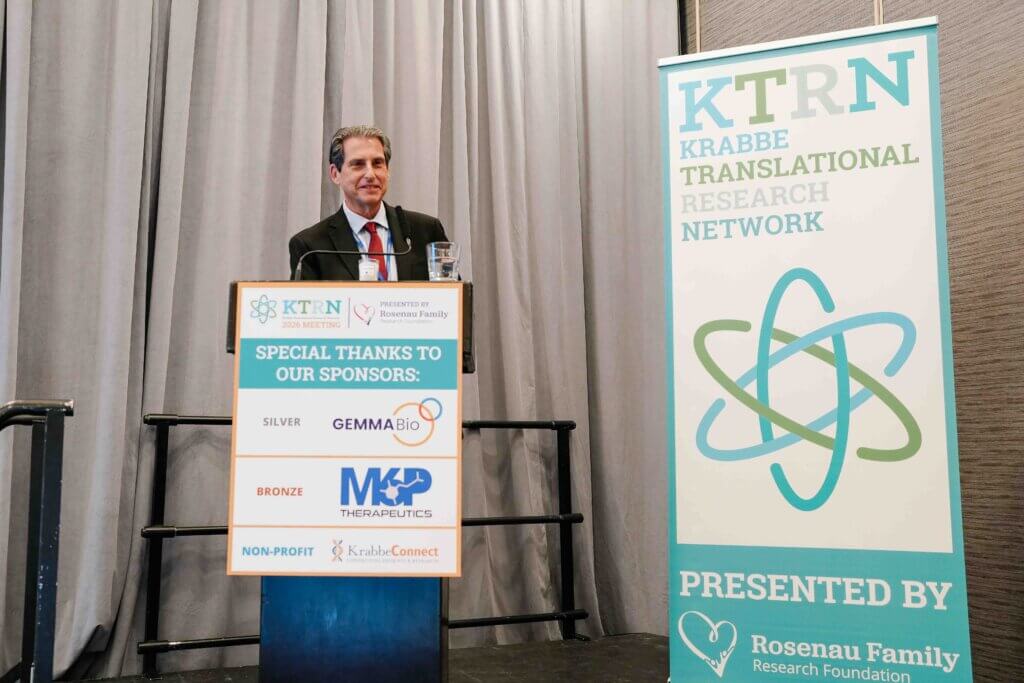
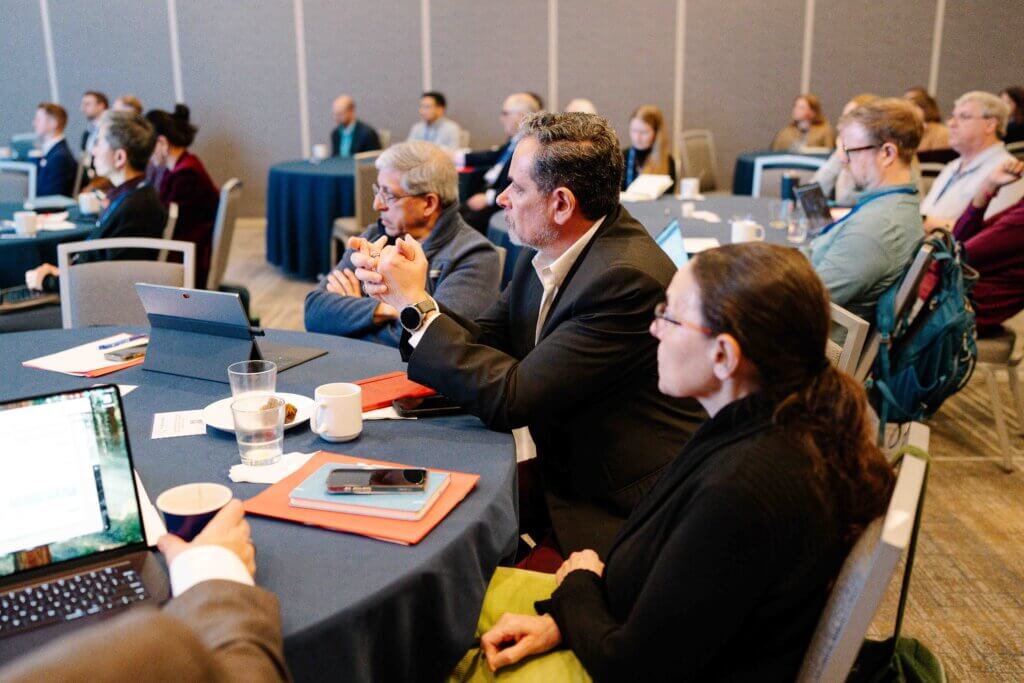
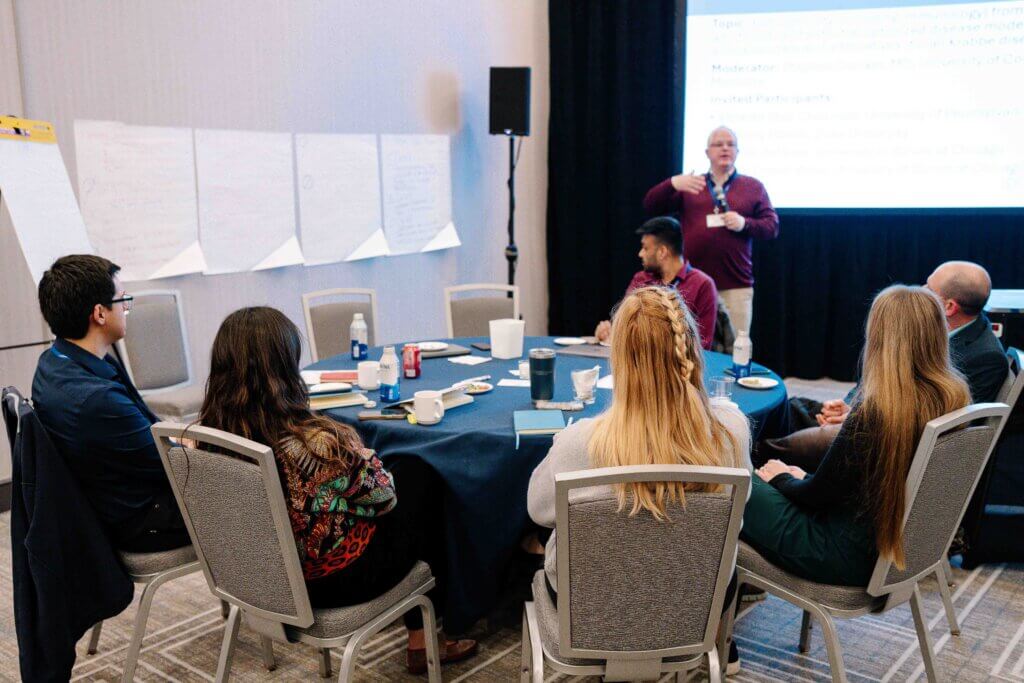
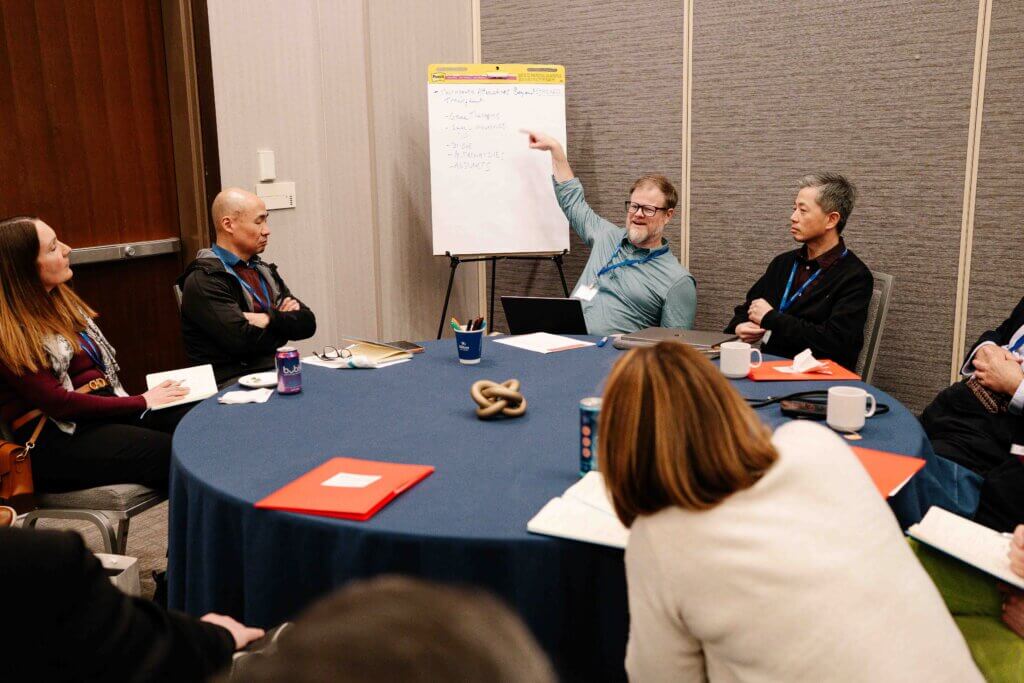
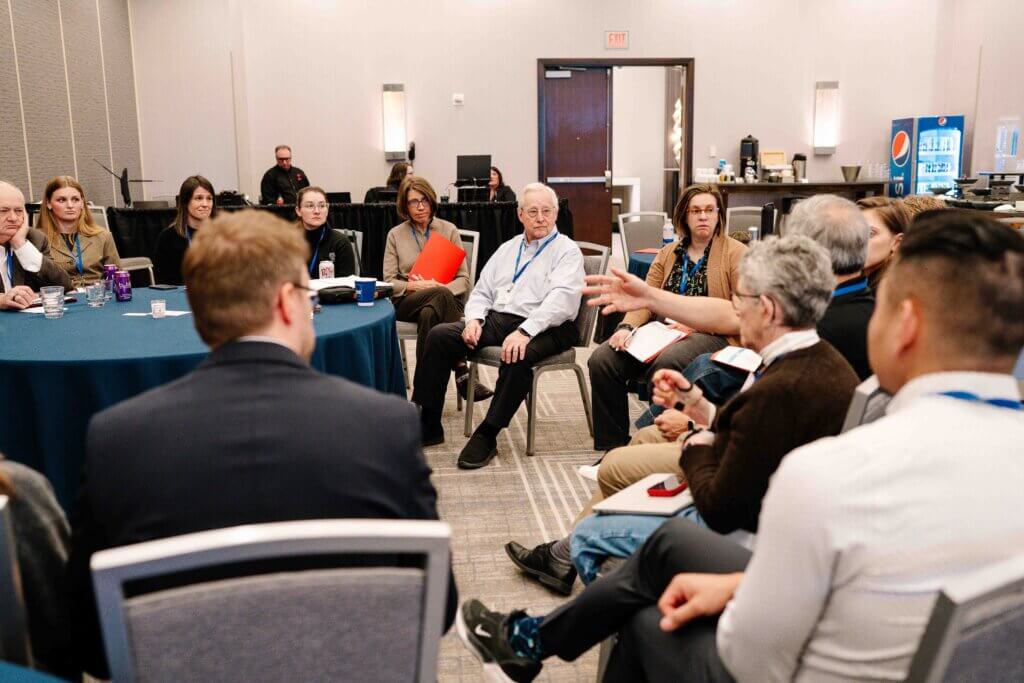
KTRN 2026 featured scientific platform presentations across three sessions: treatment, pathology, and newborn screening (NBS). Separately, a series of roundtable discussions focused on prioritizing 2030 goals for basic research, translational science, and clinical research and care (below is a summary of those presentations and discussions). KrabbeConnect hosted a video and an engaging panel discussion featuring families whose children took part in a clinical trial for Krabbe disease gene therapy. These families shared their insights and experiences regarding the benefits and challenges they encountered, while also addressing multiple inquiries from the engaged audience. A sponsored presentation by Gemma Biotherapeutics’ CEO, Jim Wilson, MD, PhD, reviewed Gemma’s gene therapy approach for Krabbe disease and clinical trial plans.
According to a survey conducted after the meeting, participants rated the overall value of the meeting, relevance to Krabbe research, program content, presenters, and the registration and communication process as excellent. Importantly, the meeting highlighted areas of focus for our community and the importance of cross-disciplinary and cross institutional collaboration that, if implemented, would allow us, by 2030, to significantly enhance the lives of those impacted by Krabbe disease. We are grateful for the generosity of the sponsors who supported this meeting, and for the participation of the attendees whose enthusiastic engagement made this a vibrant and inspirational event and who will undoubtedly contribute to significantly changing the course of Krabbe disease.

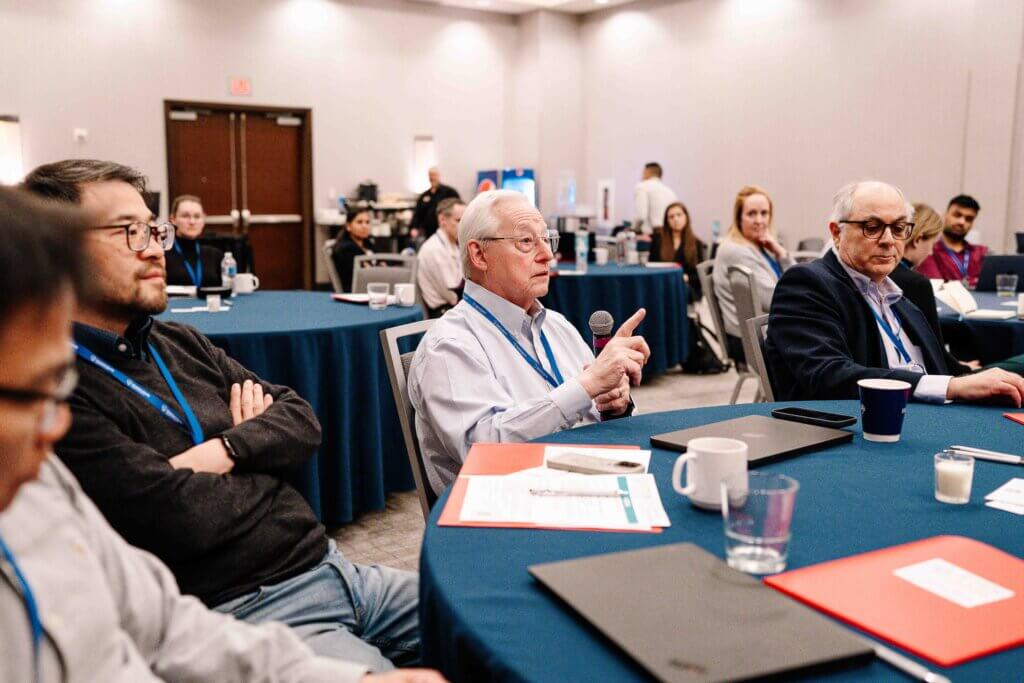
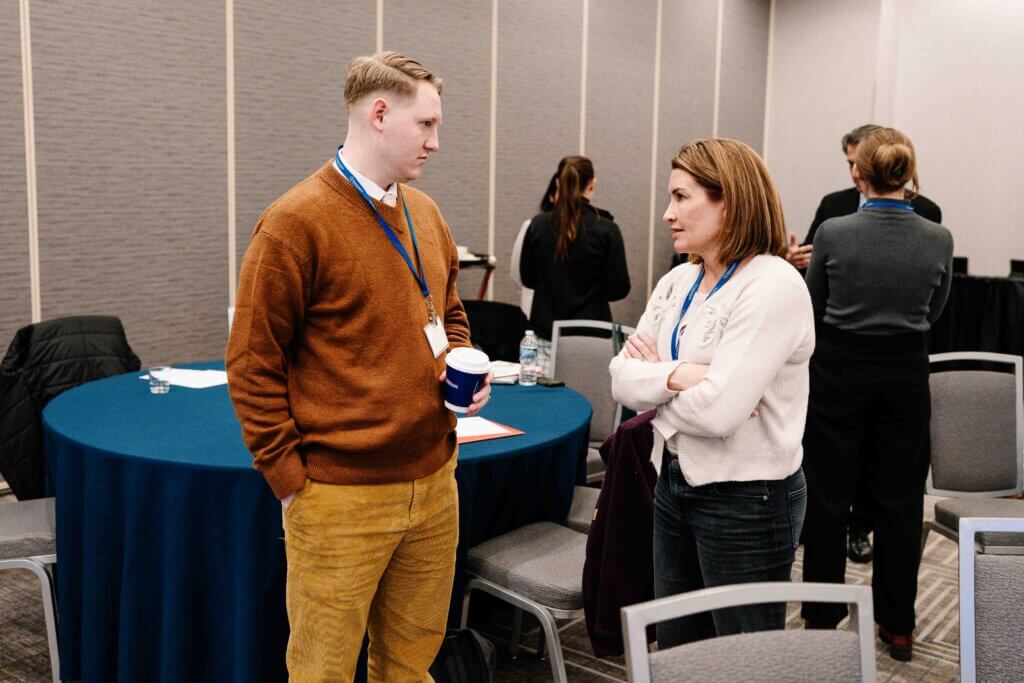

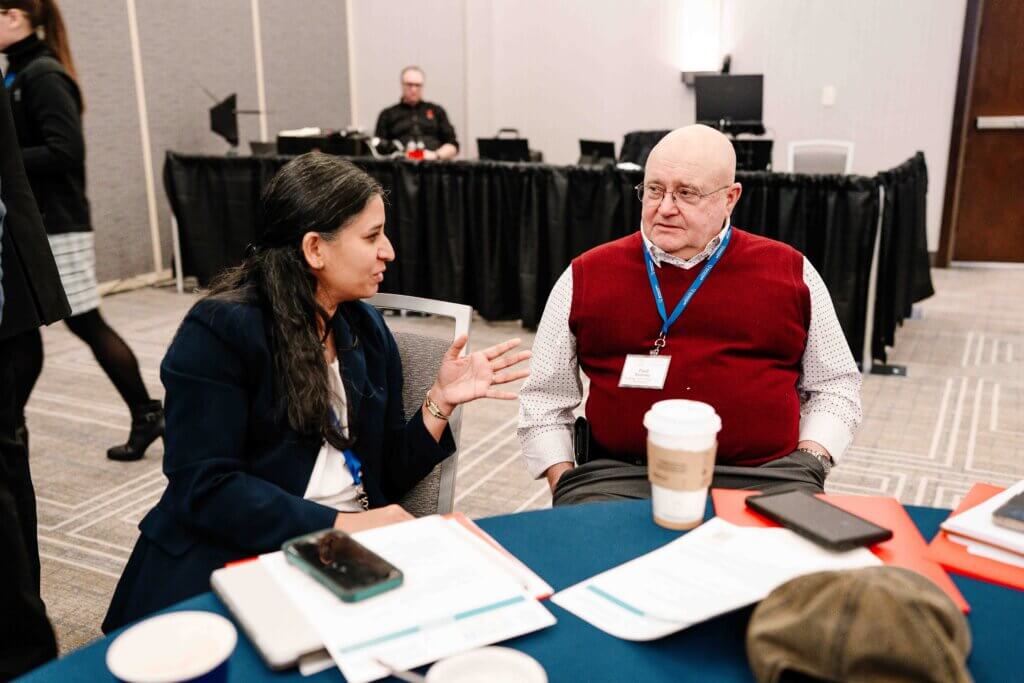
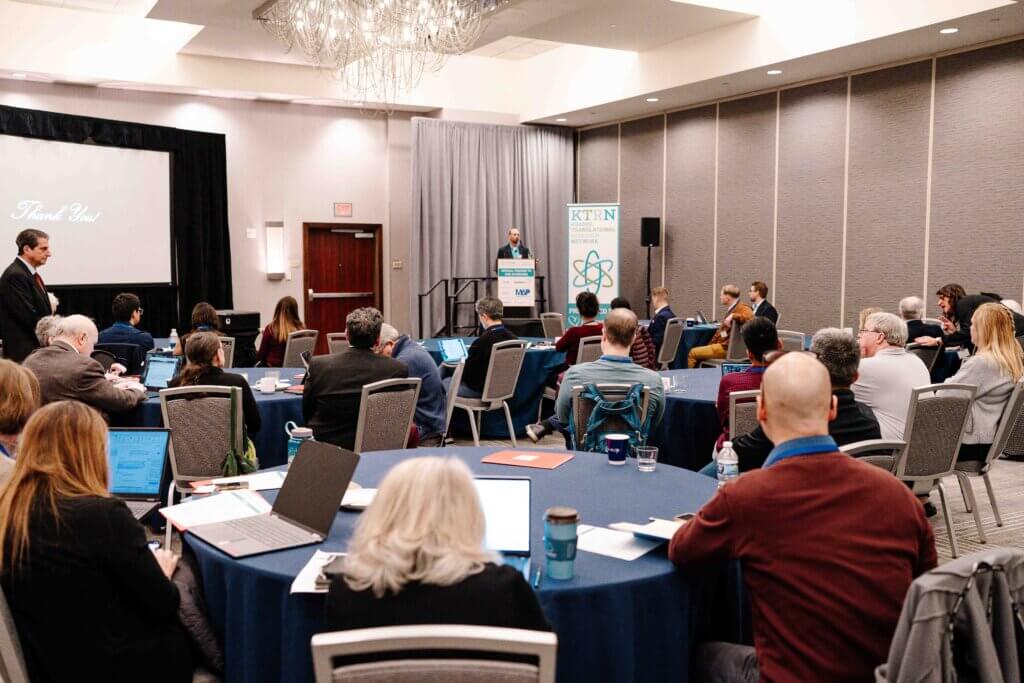
Scientific Presentation Highlights
The scientific presentations highlighted advances—and remaining challenges—across Krabbe disease therapeutics, disease mechanisms, and newborn screening implementation. Speakers emphasized both interim and long-term treatment strategies, new insights into neuronal and immune-system involvement, and growing national momentum to expand Krabbe disease newborn screening while strengthening follow-up and data infrastructure.
- Therapeutics and treatment trade-offs: Maria Irene Givogri described extracellular vesicle–assisted enzyme delivery to the CNS as a potentially safe “bridge” approach between diagnosis and definitive therapies (e.g., transplant or gene therapy). Ernesto Bongarzone and Natalia Saldivia underscored a key limitation of AAV gene therapy in dividing brain cells: therapeutic genomes can become diluted over time, and activity-driven cell turnover (e.g., learning/adaptive myelination) may accelerate loss of benefit.
- HSCT preconditioning impacts: Scott Sands reported evidence from mouse models suggesting that busulfan, used for HSCT conditioning, can enter the brain and suppress hippocampal neurogenesis with limited recovery. The findings highlight the need for safer conditioning strategies that better preserve brain function.
- Pathology and mechanisms beyond myelin: Diego Zelada Varas presented data suggesting that psychosine accumulation at presynaptic terminals disrupts synaptic vesicle cycling and contributes to synaptic failure. This supports neuronal dysfunction as a driver of neurologic decline, independent of myelin loss.
- Immune and fluid dynamics: Anthony Filiano described disruptions in humoral immunity and CSF/glymphatic–lymphatic dynamics. The work suggests that abnormal immune trafficking and impaired brain fluid clearance may contribute to disease progression and treatment resistance.
- Biomarkers and data resources: Rachel Wurth presented metabolomics work identifying hypoxanthine and related pathway changes as promising biomarker leads. Robert Thompson Stone highlighted GenoKrabbe, a multi-institution effort linking genetic, biochemical, and clinical data to improve risk prediction and longitudinal understanding.
- Newborn screening adoption and long-term follow-up: Multiple presentations (Amy White, Kaegan Mestel, Zoë Culshaw-Klein, Marci Sontag) described how states are navigating implementation of Krabbe disease newborn screening. Speakers emphasized the importance—and variability—of psychosine cutoffs and laboratory workflows, as well as the need for practical long-term follow-up systems so children stay connected to care and outcomes can be measured over time.
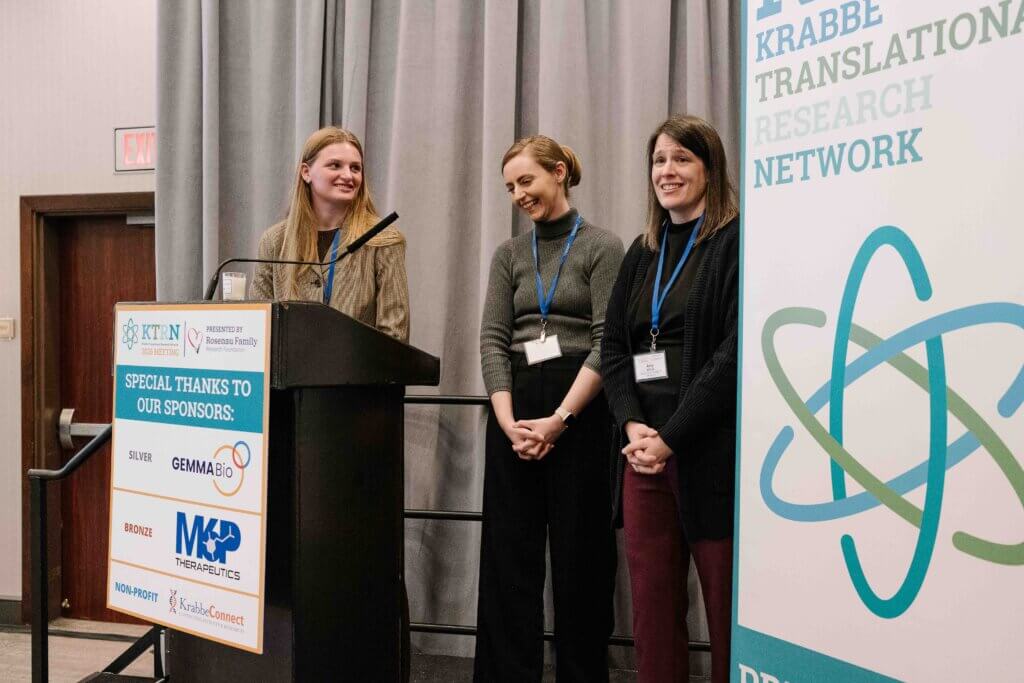
Roundtable Highlights
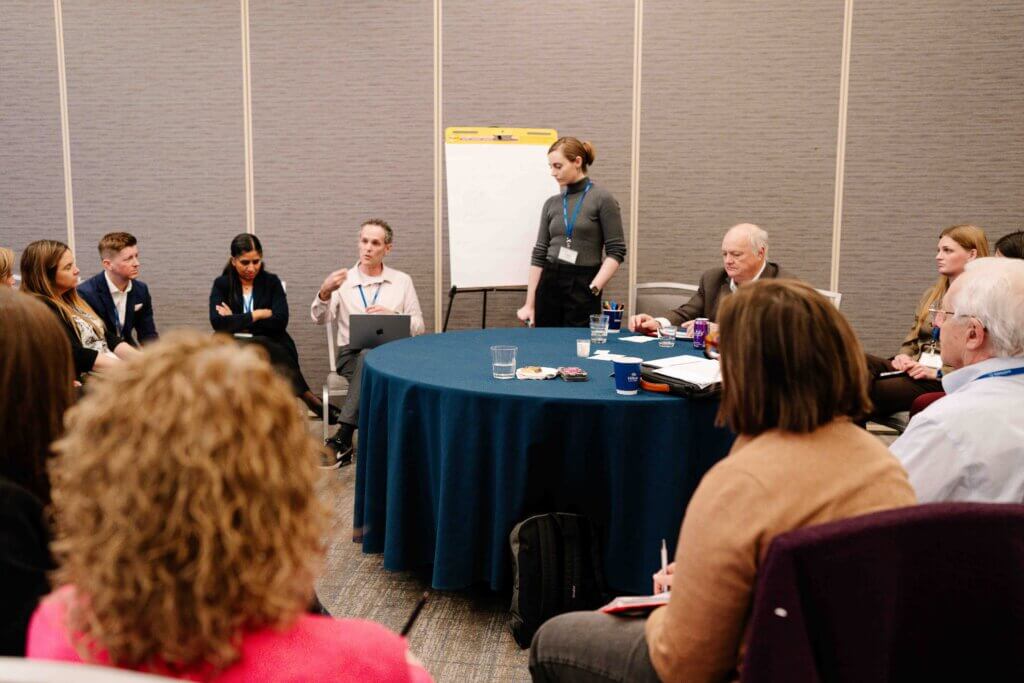
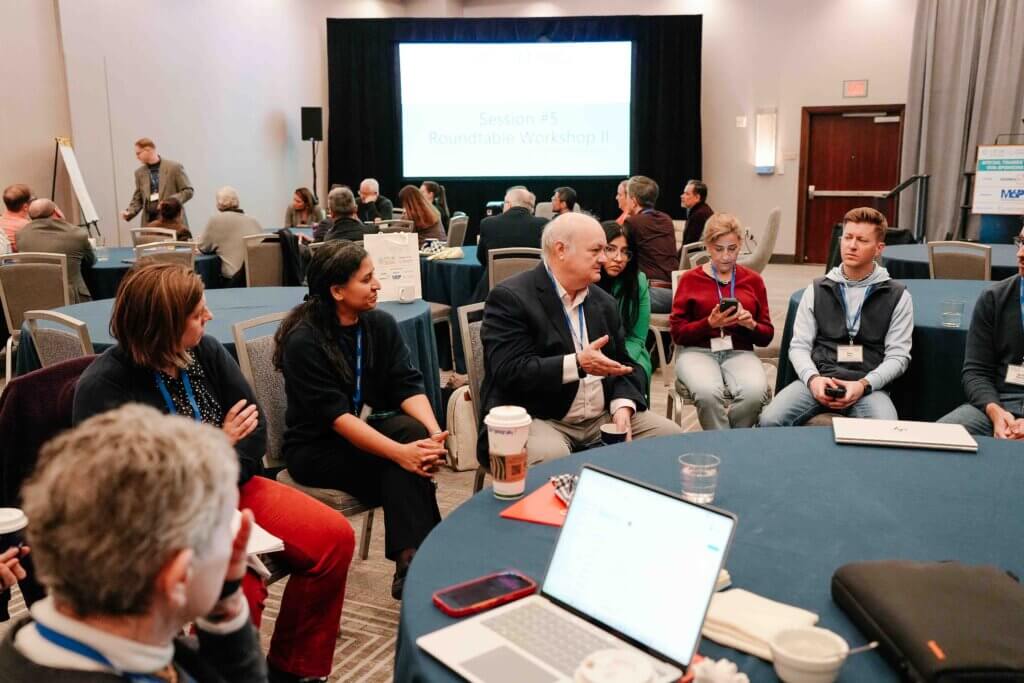
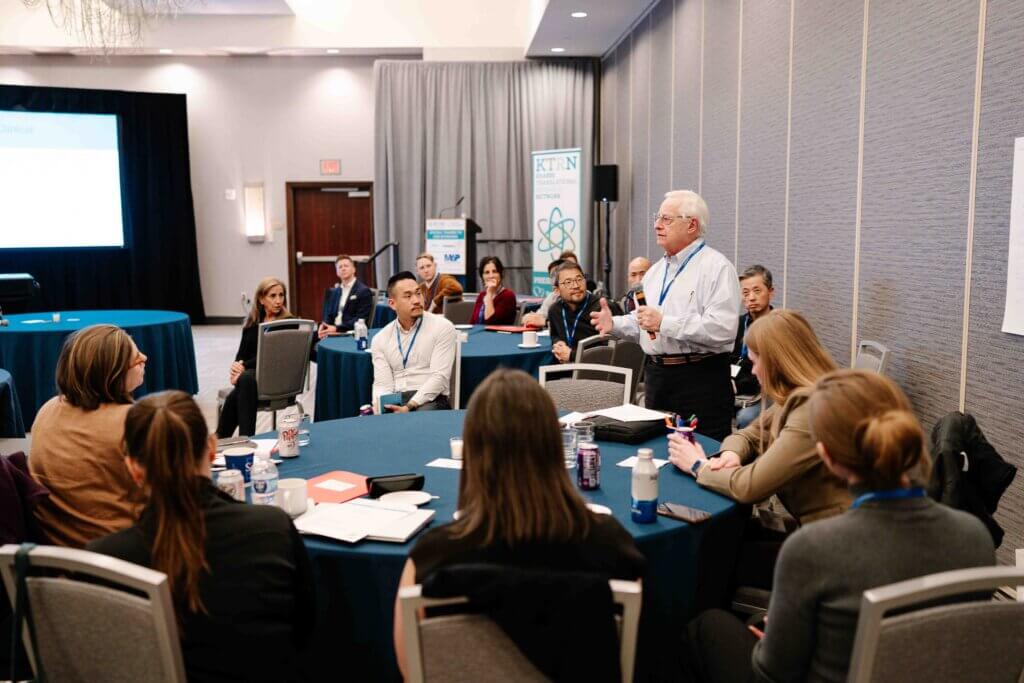
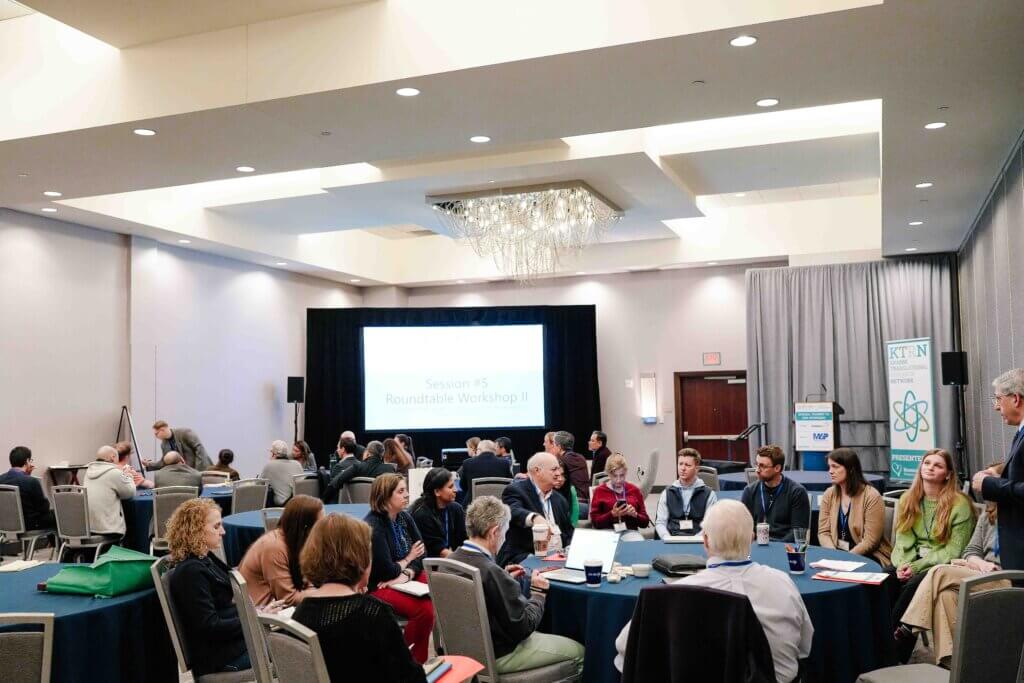
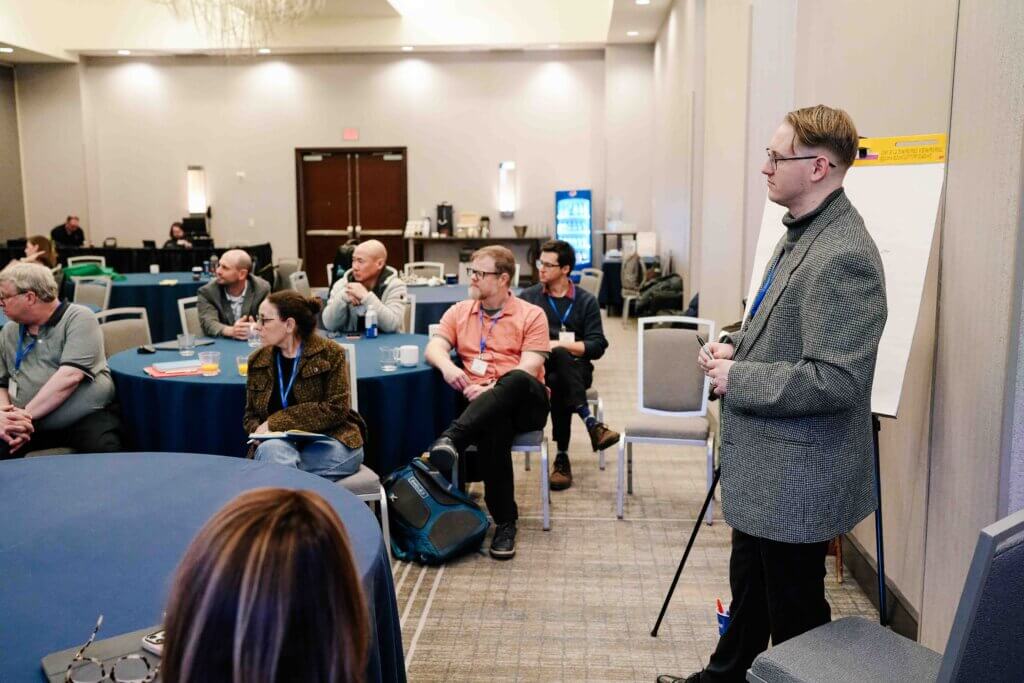
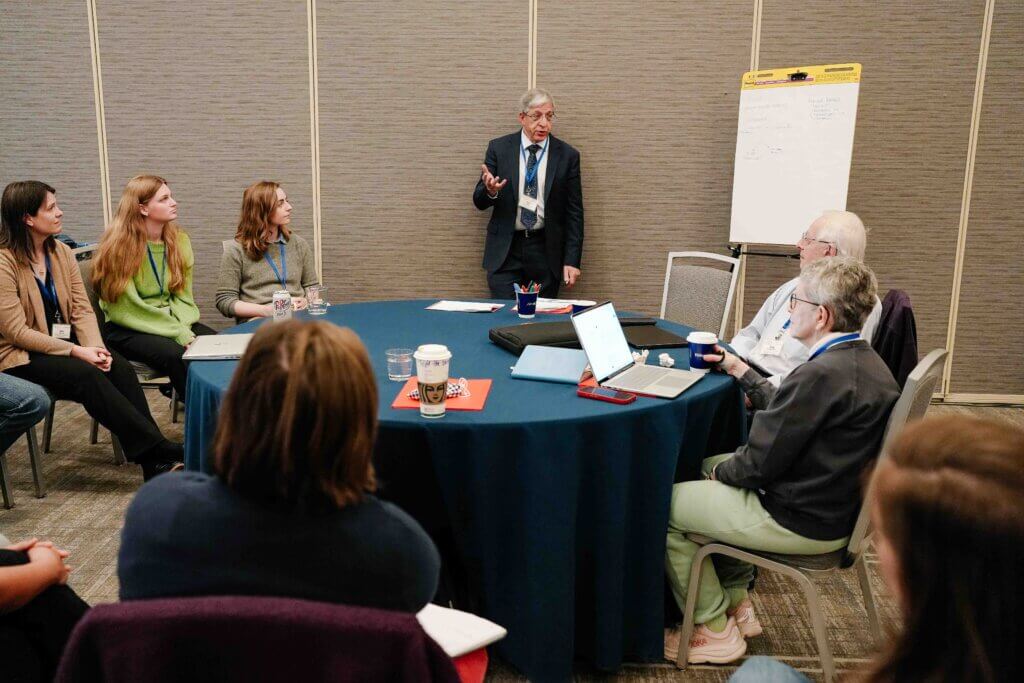
Two roundtable workshops focused on Krabbe disease research across basic science, translational science, and clinical research and care. Discussions highlighted key challenges and research gaps, as well as collaborative efforts aimed at understanding disease mechanisms and improving treatment options.
- Understanding disease mechanisms:
- The workshops emphasized the need to map the cellular and molecular steps of Krabbe disease pathology, including the natural functions of GALC and psychosine and the cellular basis of treatment effects.
- Participants discussed limitations of current animal models, the importance of diverse GALC mutation models, and potential uses of AI to help analyze complex datasets.
- Cell-targeted gene replacement strategies and the possible mechanistic overlap between psychosine pathology and other neurologic diseases were also considered.
- Addressing translational science gaps:
- Key gaps identified included barriers to data sharing, limited treatment windows, and the need for combination approaches beyond standard transplant strategies.
- Proposed solutions included creating forums for data exchange; exploring in-utero approaches and enzyme replacement strategies; prioritizing biomarkers; and advancing gene, small-molecule, and other therapeutic modalities.
- Emphasis was placed on strategic partnerships, multi-institution collaboration, and training to strengthen the pipeline from discovery to the clinic.
- Clinical strategies and long-term care:
- Discussions focused on the importance of registries and the type of data captured; ensuring timely referrals for early infantile Krabbe disease transplants; and establishing Centers of Excellence.
- Participants also highlighted the importance of long-term follow-up for transplanted children, along with practical barriers such as telemedicine limitations and insurance and licensing challenges.
- Support systems—such as toolkits and peer “buddy” programs—were discussed as ways to improve coordination and family support.